· Shipping · 5 min read
Cyprus Shipping Tax: Tonnage Tax and Ship Registration Guide
Cyprus has one of the most favourable maritime tax regimes in the world — a tonnage tax system, 0% tax on shipping profits, and an internationally recognised ship register. A complete guide for shipowners and ship managers.
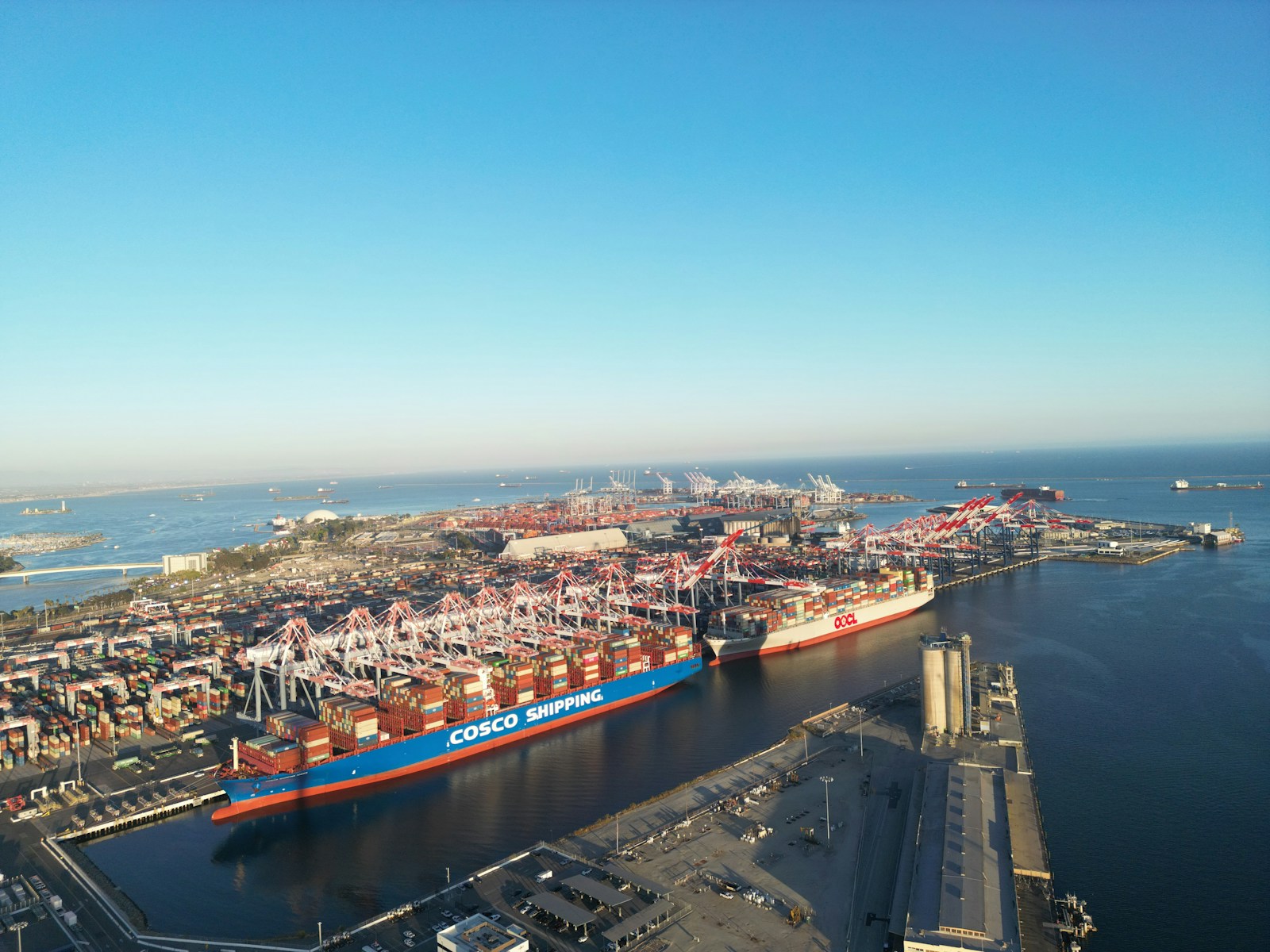
Cyprus is consistently ranked among the world’s top maritime centres. It maintains one of the largest ship registries globally, has EU membership (giving access to the EU market and EU maritime regulations), and offers a tonnage tax system that effectively exempts shipping profits from corporation tax entirely.
This guide covers the Cyprus shipping tax regime — who qualifies, how it works, what it costs, and why Cyprus competes with Malta, Liberia, and Panama for maritime business.
Why Shipping Has Special Tax Treatment
Shipping is one of a small number of industries that receives specifically tailored tax treatment in many countries. This is because:
- Vessels move between jurisdictions; traditional residence-based tax rules create uncertainty
- Countries want to attract shipping registrations for revenue, employment, and flag status
- The OECD and EU have agreed that tonnage tax systems are permissible state aid (the EU Guidelines on State Aid to Maritime Transport allow EU-member tonnage tax schemes)
Cyprus’s system was approved under EU state aid rules and has been in operation since 2010.
The Cyprus Tonnage Tax System
Under the Cyprus Merchant Shipping (Taxing Provisions) Law of 2010 (as amended), qualifying shipping companies can opt into the Tonnage Tax System (TTS) instead of paying conventional corporation tax on their shipping profits.
How Tonnage Tax Works
Instead of taxing profits (revenue minus expenses), tonnage tax is calculated based on the net tonnage of the vessel — a standardised measure of a ship’s cargo capacity. The tax is charged per 100 net tonnes of the vessel per day, at rates that decrease as the vessel gets larger.
Annual Tonnage Tax Rates (per 100 net tonnes, per day):
| Net Tonnage Band | Rate per 100 NT per day |
|---|---|
| Up to 1,000 NT | €0.36 |
| 1,001 – 10,000 NT | €0.29 |
| 10,001 – 25,000 NT | €0.22 |
| 25,001 – 50,000 NT | €0.15 |
| Above 50,000 NT | €0.072 |
Example: A bulk carrier of 30,000 net tonnes:
- First 1,000 NT: 1,000/100 × €0.36 × 365 = €1,314
- Next 9,000 NT: 9,000/100 × €0.29 × 365 = €9,526
- Next 15,000 NT: 15,000/100 × €0.22 × 365 = €12,045
- Remaining 5,000 NT: 5,000/100 × €0.15 × 365 = €2,738
- Annual tonnage tax: approximately €25,623
Compare this to a conventional corporation tax at 12.5% on even modest shipping profits (say €2 million) = €250,000. The tonnage tax saving is enormous.
Who Can Elect Tonnage Tax
The tonnage tax election is available to:
- Cyprus shipowners: Companies that own qualifying vessels registered in Cyprus or the EU/EEA
- Cyprus ship managers: Companies that provide technical or crew management services to vessel owners
- Cyprus charterers: Companies that charter-in vessels and operate them (bareboat or time charter)
The election is available to Cyprus-resident companies. Foreign companies managing vessels from Cyprus (through a Cyprus ship management company) access the system through the ship management provisions.
Qualifying Vessels
Not all vessels qualify. The system applies to:
- Sea-going self-propelled vessels engaged in international trade
- Cyprus-registered vessels
- Vessels registered in other EU/EEA registries (with Cyprus management)
Non-qualifying vessels include:
- Inland waterway vessels
- Vessels used exclusively in port areas or for oil exploration/storage
- Fishing vessels
- Vessels engaged in towage or dredging (unless ancillary to qualifying trade)
What Is Taxed Under Tonnage Tax (and What Is Not)
Under tonnage tax (effectively 0% on profits above tonnage tax):
- Profits from maritime transport (freight, charter, passenger revenues)
- Capital gains from disposal of qualifying vessels
- Interest income derived from working capital held for shipping operations
Still subject to regular corporation tax at 12.5%:
- Profits from ship management fees (if not the owner)
- Income from activities ancillary to shipping (agency, broking, port services)
- Interest from non-working capital investments
The 10-Year Commitment
Once a company elects into the tonnage tax system, it must remain for a minimum of 10 years. Early withdrawal results in recapture of the tax savings. This is an EU-imposed condition (part of the state aid approval).
Most established shipping companies view this as a non-issue — the tonnage tax is overwhelmingly beneficial compared to conventional taxation.
Ship Registration in Cyprus
Cyprus maintains one of the world’s largest open registries. Key facts:
- Currently ranked: Among the top 3 EU registries and top 10 globally (by gross tonnage)
- Managed by: Cyprus Department of Merchant Shipping (DMS) in Limassol
- Flag: Cyprus maritime flag (EU flag with associated rights and obligations)
- Convention membership: Full compliance with IMO conventions (SOLAS, MARPOL, MLC, etc.)
Advantages of Cyprus flag:
- EU flag state: Access to EU ports without national private placement regime complications
- White list status: Paris MoU and Tokyo MoU Port State Control white lists — low detention rate
- English-language administration: All documentation and correspondence in English
- Efficient administration: DMS known for responsive service
- Competitive fees: Registration and annual fees lower than many competing registries
Ship registration in Cyprus — detailed guide →
Ship Management Companies
Cyprus is home to a significant number of ship management companies — entities that provide technical management, crew management, and commercial management services to vessel owners worldwide. Limassol is the hub of Cyprus ship management activity.
Under the Cyprus TTS, ship management companies that provide qualifying services receive a special tonnage tax treatment on their management fees.
Ship management companies in Cyprus →
Cyprus vs Malta: The Key Comparison
Malta is Cyprus’s primary EU competitor for shipping business. Both are EU member states with tonnage tax systems and established maritime sectors.
Non-Shipping Income in a Shipping Company
A Cyprus company registered for tonnage tax may also have income outside the shipping trade. That non-shipping income (management fees, property income, financial income unrelated to working capital) is taxed under the normal Cyprus corporation tax at 12.5%.
Well-structured Cyprus shipping groups typically use separate entities for shipping and non-shipping income to keep the tonnage tax treatment clean.
Personal Tax for Shipping Executives
Senior executives and beneficial owners of Cyprus shipping companies often combine the corporate benefits of the TTS with the personal non-dom regime:
- Their Cyprus shipping company pays minimal tax (tonnage tax)
- Dividends paid to the shareholder-director are exempt from SDC (non-dom)
- Personal GESY capped at €4,770/year
- Effective total tax rate on shipping profits extracted as dividends: ~2–3%
Key Contacts and Regulatory Bodies
- Department of Merchant Shipping (DMS): Ship registration, tonnage certificates, flag state authority
- Cyprus Shipping Chamber: Industry body representing Cyprus shipping companies
- Cyprus Tax Department: Tonnage tax registration and compliance
Related: Tonnage tax system explained → · Ship registration → · Ship management → · Cyprus vs Malta →