· Shipping · 5 min read
Cyprus Ship Registration: How to Register a Vessel Under the Cyprus Flag
The Cyprus ship registry is one of the largest in the EU — a white-list flag with efficient administration, English-language processes, and competitive fees. A practical guide to registering a vessel under Cyprus flag.
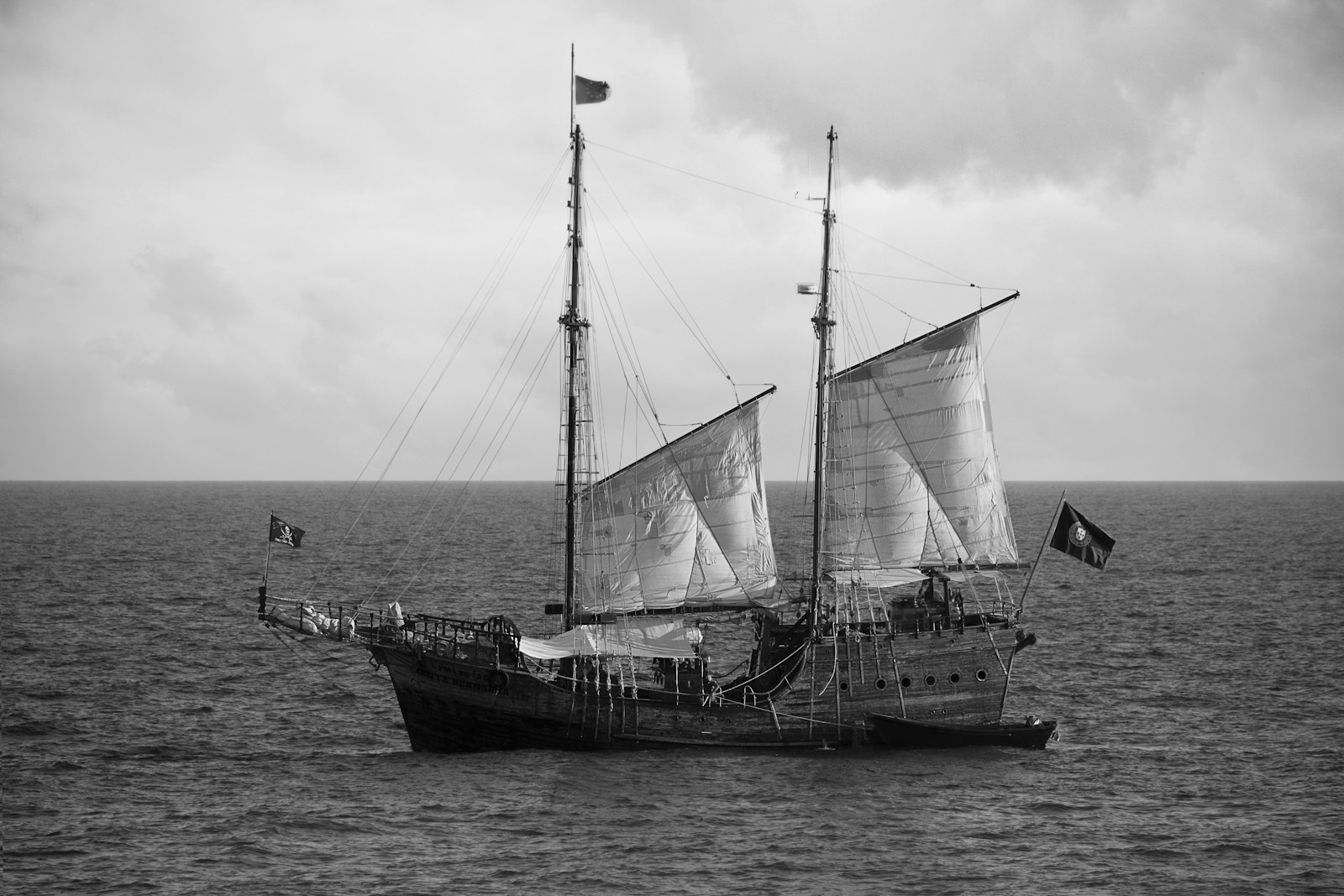
The Cyprus ship registry is managed by the Department of Merchant Shipping (DMS) and is one of the most significant registries in the European Union. Cyprus-flagged vessels are entitled to fly the Cyprus maritime flag and operate as EU-flagged ships, with all the commercial and regulatory benefits that entails.
Why Register Under Cyprus Flag
EU flag status: A Cyprus-flagged vessel flies an EU flag. This is commercially significant — some cargo contracts, particularly government tenders and EU-regulated trade, require EU-flagged vessels. Cyprus flag provides EU status without the complexity or cost of registering in Germany, Greece, or Norway.
White-list flag: Cyprus is on the Paris Memorandum of Understanding (Paris MoU) and Tokyo MoU white lists — meaning Cyprus-flagged vessels have a lower Port State Control inspection burden and are not targeted for priority inspections. This reduces delays and costs for vessels trading internationally.
English administration: All DMS communications, documentation, and registration processes are conducted in English. This is not universal among maritime registries.
Responsive service: DMS is known within the industry as one of the more responsive and efficient EU flag state administrations. Emergency endorsements and urgent certificates can often be processed quickly.
Competitive fees: Registration and annual fees are lower than many competing EU registries, particularly for smaller vessels.
Convention compliance: Cyprus is signatory to all major IMO conventions: SOLAS, MARPOL, MLC 2006, STCW, etc. Certificates issued by Cyprus (or their equivalents from recognized organisations) are accepted by port states globally.
Who Can Register a Vessel in Cyprus
EU/EEA Ownership
Vessels can be registered in Cyprus if they are owned by:
- Citizens of EU/EEA member states (individuals)
- Companies incorporated in EU/EEA member states
Non-EU/EEA Ownership
Non-EU/EEA nationals and companies can register vessels under the Cyprus flag if they establish a Cyprus company that owns the vessel — and that Cyprus company is itself owned by the non-EU/EEA person or entity. This is the standard route for Greek, Israeli, UAE, and other non-EU shipowners using Cyprus flag.
The vessel’s beneficial owner effectively uses a Cyprus corporate vehicle to hold the vessel, accessing the Cyprus flag through that vehicle.
Types of Cyprus Ship Registration
Permanent Registration
Full, permanent registration under the Cyprus flag. The vessel is issued a Cyprus Certificate of Registry. Available for any qualifying vessel in good technical condition, with valid statutory certificates.
Provisional Registration
Issued for a period of up to 6 months while permanent registration is processed. Used when a vessel is being purchased and the buyer needs immediate flag-state coverage.
Bareboat Charter Registration (Parallel Registration)
A vessel registered under another flag can be “parallel registered” in Cyprus for the duration of a bareboat charter. The original registry is suspended, and Cyprus becomes the flag state for the charter period. At the end of the charter, the suspension is lifted and the original flag resumes.
This is useful where a vessel registered in a non-EU or less commercially advantageous registry is chartered to a Cyprus company — the charterer can give the vessel Cyprus flag status for the duration of the charter.
The Registration Process
Step 1: Verification of Vessel Status and Ownership
Before registration, the DMS verifies:
- The vessel is not registered elsewhere (or deletion/cancellation certificate is obtained from previous registry)
- The owning company is properly constituted (corporate documents reviewed)
- The vessel meets technical requirements (certificates, class)
Step 2: Technical Survey / Certificates
The vessel must hold valid statutory certificates — typically issued by a Recognized Organization (RO) authorized by Cyprus to conduct inspections on behalf of the flag state (Bureau Veritas, Lloyd’s Register, DNV, American Bureau of Shipping, ClassNK, etc.).
Required certificates include:
- Safety Construction Certificate
- Safety Equipment Certificate
- Safety Radio Certificate
- Load Line Certificate
- MARPOL certificates (International Oil Pollution Prevention, etc.)
- MLC Maritime Labour Convention certificate (for commercial vessels with crew)
- Tonnage Certificate (International Tonnage Certificate 1969)
If the vessel is newly built, the shipyard typically delivers it with all statutory certificates. For second-hand vessels, the existing certificates from a recognised organisation are accepted if still valid.
Step 3: Application to the DMS
The owning company submits the registration application to the DMS in Limassol, including:
- Application form
- Bill of Sale or Builder’s Certificate (evidence of ownership)
- Corporate documents of the owning company
- Tonnage Certificate
- Current statutory certificates
- Crew documentation (if applicable under MLC)
Step 4: Payment of Registration Dues
Fees are based on the vessel’s gross tonnage (GT — note: gross tonnage, not net tonnage used for the tonnage tax). The registration fee schedule:
- Vessels under 1,600 GT: €250–€500 (approximately)
- Vessels 1,600–5,000 GT: €500–€1,200 (approximately)
- Vessels over 5,000 GT: Based on GT, subject to maximum caps
Annual tonnage dues are also payable, on a per-GT basis, for each year of registration.
Step 5: Issue of Cyprus Certificate of Registry
Upon approval, the DMS issues the Certificate of Registry — the vessel’s official document confirming Cyprus registration, owner details, and vessel particulars. This document is required to be kept on board at all times.
Crewing Requirements
Cyprus flag vessels must maintain crew in accordance with:
- STCW Convention (Standards of Training, Certification and Watchkeeping)
- MLC 2006 (Maritime Labour Convention) — minimum rest hours, pay, repatriation, medical care
- Safe Manning Certificate issued by DMS (specifying minimum crew numbers and qualifications)
There are no requirements for Cyprus-national crew — crews can be from any country, provided they hold the necessary qualifications and certificates. This is important for vessels with Filipino, Indian, Ukrainian, or other non-EU crew.
Annual Renewal and Compliance
Once registered, vessels must:
- Pay annual tonnage dues by 31 January each year
- Maintain valid statutory certificates (renewed through the recognized organisation)
- Notify the DMS of any changes (ownership transfer, major repair, name change)
- Submit to Port State Control inspections when trading internationally
The DMS conducts periodic audits of Cyprus-flagged vessels to monitor flag state compliance.
Deletion and Change of Flag
If a vessel is sold to a non-Cyprus buyer, or the owner wishes to re-flag to another registry, the Cyprus registration must be deleted. The DMS issues a Certificate of Deletion, which allows re-registration elsewhere.
Related: Cyprus shipping tax overview → · Tonnage tax system → · Ship management → · Cyprus vs Malta shipping →